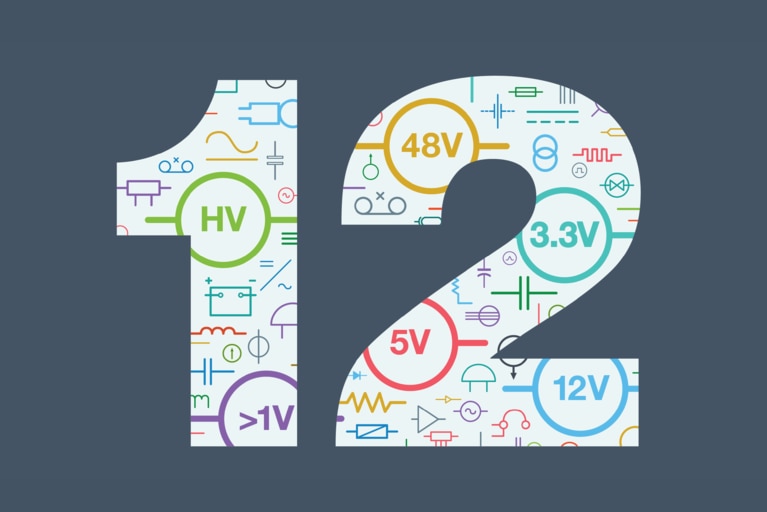
48V 迁移之路上的 12 项技术挑战
为帮助您为迁移到 48V 做好更充分的准备,以下梳理了 12 项需要重点关注的挑战


Components that allow bi-directional power flow are a relatively new concept for many engineers. Our webinar, Enabling Bi-Directional Energy Flow Using DC Power Transformers provided attendees with more information about this new approach. We’ve also put together a number of posts with some of the best questions from the webinar, along with presenter Harry Vig’s answers to help you understand the basics of bidirectional power design more clearly. This post focuses on questions on our fixed-ratio DC-DC converters, the Bus Converter Module (BCM) which features isolation, and the Non-Isolated Bus Converter Module (NBM). Both of these power components will step voltages up and down, depending on the direction of current flow.
Yes, you can. The only thing you need to remember is that the BCMs have their isolated controls on the high-voltage side, but if the power is coming from the low-voltage side, it’s going to be applied on the low-voltage side first. There are a couple of ways that you can apply power to the high-voltage side to start the BCM. You can either use a smaller, dedicated boost converter, or we have something that’s more akin to a flyback transformer that just gives it a single kick to get the high-voltage side booted, and then once the converter comes up and starts operating it will stay on. That’s slightly more complicated, but it’s a less expensive solution. Our application note on reverse mode startup has lots more information about how to design this circuit.
We use the terms high-voltage and low-voltage side, because there’s not really a primary and secondary side: it really doesn’t matter if you configure it in a reverse or a normal forward direction. Today, all of the BCMs have controls on the high-voltage side, so they require power on this side to boot up. The NBMs can power up from either the high-voltage or the low-voltage side.
On the DC transformer, it’s automatic. It’s exactly the same as an AC transformer.
You could have a load transient hitting a BCM or NBM at the same time as you have a line transient coming from a completely different source, and the transformer will couple both through at the same time. So there’s effectively no delay.
Related content
Webinar rebroadcast: Enabling Bi-Directional Energy Flow Using DC Power Transformers
Application note: Using BCM® Bus Convertersin High Power Arrays
48V 迁移之路上的 12 项技术挑战
为帮助您为迁移到 48V 做好更充分的准备,以下梳理了 12 项需要重点关注的挑战
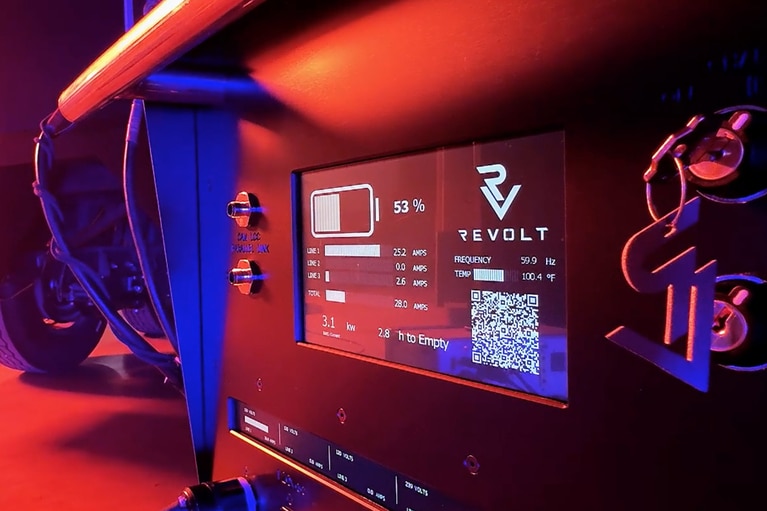
革新高压移动供电的电气化之路
ReVolt 为电影片场注入活力!了解他们如何使用 Vicor 高密度电源模块取代柴油,实现清洁的移动供能
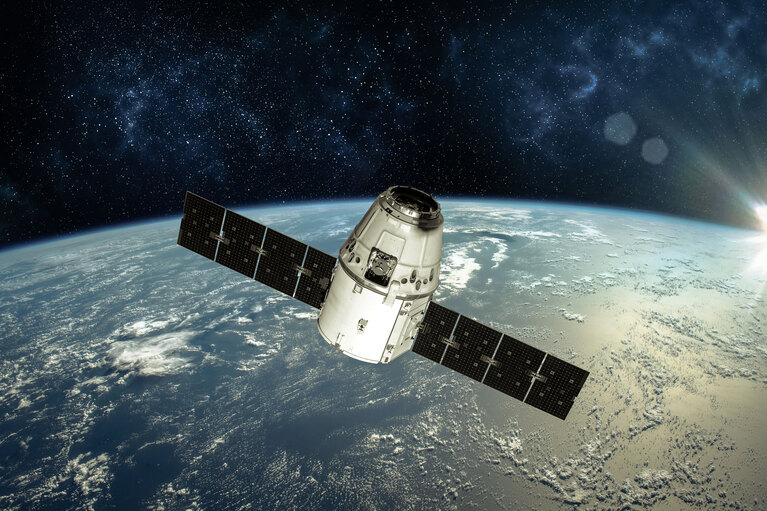
电源架构为何制约新太空 AI 任务
卫星 AI 的发展速度已经超越了传统电源系统。现代计算需要超低电压、大电流的供电能力,而传统电源架构直到现在都无法满足这一需求
AI 在太空赋能快速通信,开启创新新纪元
Spacechips 携手 Vicor 打造了 AI1 应答器,这是目前在轨运行中功率密度最高的处理器板。分比式电源架构可提供 133 TOPS 算力用于实时卫星自主运行和 130A 处理