INFAC bolsters EV range by packing more power into the battery pack
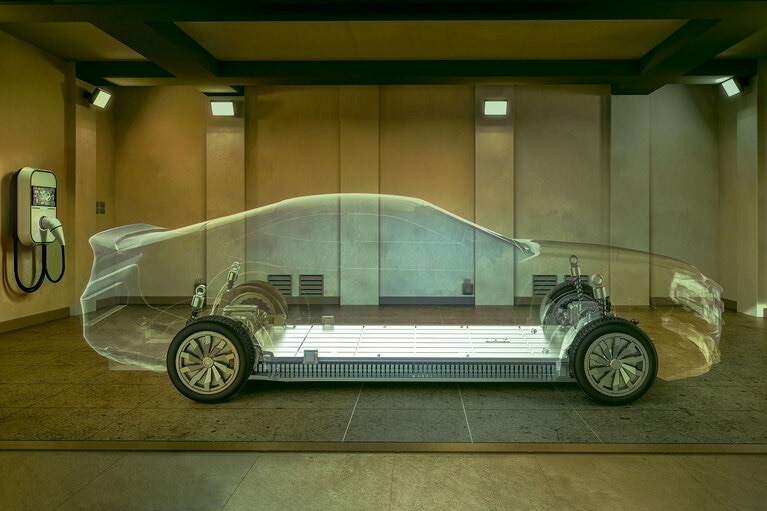
INFAC integrates the DC-DC converter into EV battery pack to leverage cooling system and save space. 48V power dense modules help downsize cable and connectors to boost range.


More power in less space
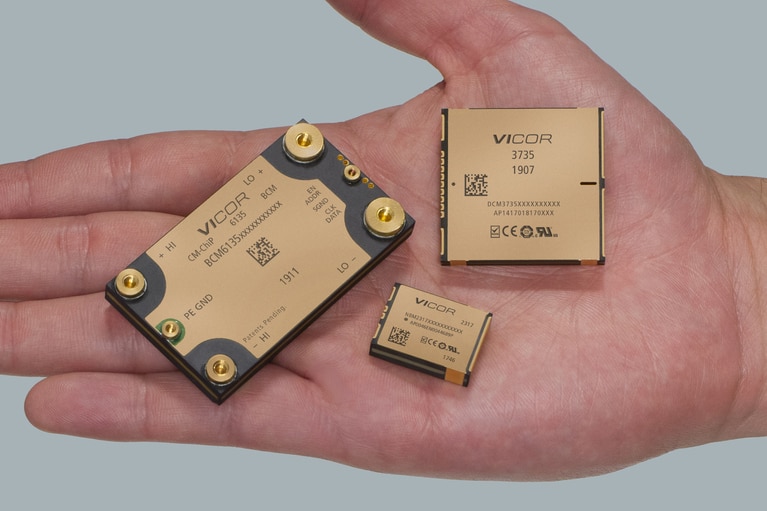
One of the central challenges facing the automotive industry is the need for more power in less space. EVs employ over 50kW of electrical power, compared to less than 3kW in an ICE vehicle. The nearly 20x increase in power requires compact power solutions to free up space and weight. Reducing the size and weight of the power delivery network are essential factors. For example, 2.5kW of power from the Vicor BCM6135 can be held in the palm of your hand and weighs only 65 grams.
Using miniaturized power modules with up to 5x the density, the modular approach uses less real estate, leaving more room for functionality. High efficiency modules require much simpler thermal management and allow for flexible and scalable designs that are simpler and quicker to design and update.
Unlike complex discrete solutions and inflexible “silver box” power systems, power delivery networks using power modules is quick and easy to design and implement. Accommodating new loads — or changes in power needs in a design — is easily accomplished by replacing or adding modules.
INFAC bolsters EV range by packing more power into the battery pack
INFAC integrates the DC-DC converter into EV battery pack to leverage cooling system and save space. 48V power dense modules help downsize cable and connectors to boost range.
Automotive Innovation Day 2026
Vicor presented innovative benefits of using compact, power dense DC-DC conversion
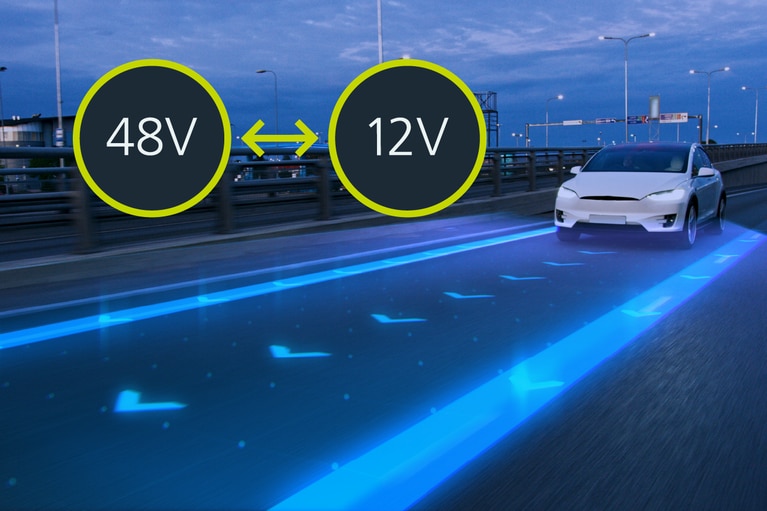
48V instead of 12V: DC‑DC converters in focus of the SDV
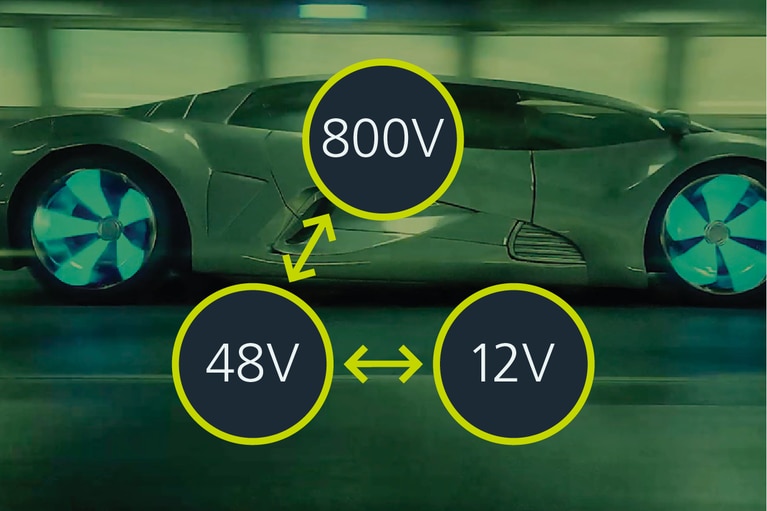
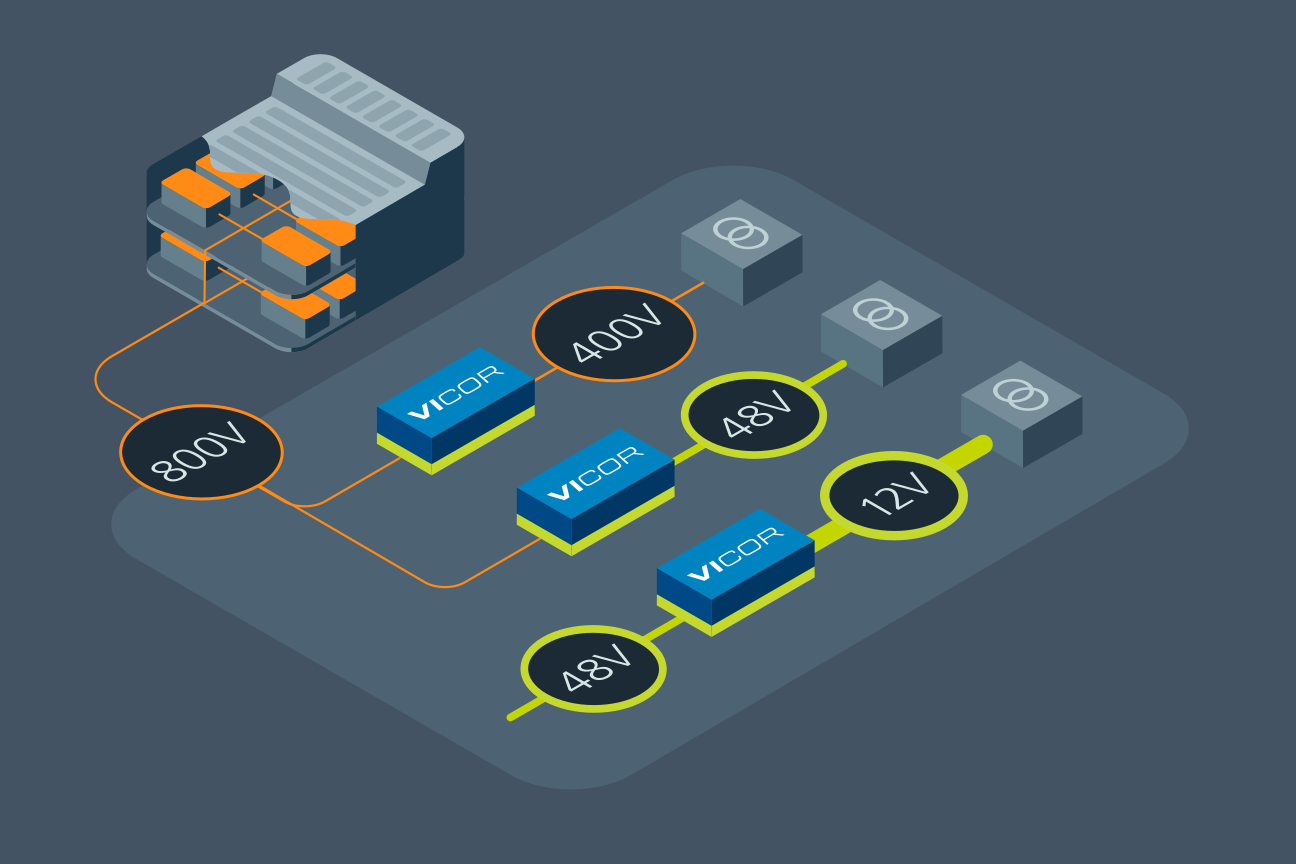
Future vehicles use 12V, 48V, and HV rails. Vicor experts discuss the vital role of DC-DC converters in SDVs, focusing on energy efficiency and safety
Automotive Engineering Exposition 2026
Solving automotive electrification challenges with the highest efficiency and highest power density power modules