为 AI 处理器供电——48V 垂直供电重塑行业格局
AI 模型需要巨大的电流,导致传统多相设计超过 50 相 —— 从而引发空间、散热和控制方面的限制,Vicor 针对这些问题提供了解决方案


The Vicor webinar Enabling Bi-Directional Energy Flow Using DC Power Transformers shows how Vicor power components allow voltages to be stepped up or down, based on the direction of energy flow.
The webinar pays particular attention to the Bus Converter Modules (BCMs) and Non-Isolated Bus Converter Modules (NBMs), families of fixed-ratio converters that step up and down voltages with a fixed ratio, operating as if they were a DC transformer.
One of the main topics was scalability: engineers wanted to know more about delivering higher power levels and larger voltages. Here is a collection of the best questions on these topics, along with presenter Harry Vig’s answers.
High power arrays can be created using the bus converters in parallel provided that care is taken in designing the input and output connections. BCM modules share inherently with inputs and outputs connected in parallel, with the positive temperature coefficient of ROUT reinforcing sharing. Assuming equal cooling, an array can operate at full power with accurate sharing and no de-rating. The array should be designed based on guidelines that optimize protection, efficiency, reliability, and minimize noise. For more information, check out our Application Note on using BCMs in High Power Arrays.
Redundancy and shutting down for protection are the parts of the design I think are most difficult. One of the potential problems is if one module shuts down, and maybe a second one shuts down, the load is transferred to the other modules. This could result in a cascade failure. The most intelligent way to deal with this problem would be to use a microprocessor or other control circuitry.
But if you need the output from ten modules in parallel, it would be a good idea to have 12, 14 or even 15 modules in parallel. That’s because with additional components, the loading on each module will decrease, and with that its operating temperature will decrease as well. When operating at lower temperature, they’re going to have a better lifetime. Additionally, you will have built-in redundancy: if one of them does turn off for some reason, you’ve still got the required capacity so you won’t have to shut them all down.
Other customers take this approach if they need to conduct regular maintenance and take one module out of service for testing, especially if the system has a long lifetime and you’re in a battery environment: you may well want to inspect the modules for corrosion due to battery fumes.
At the time this was written, VIcor had a 400V version of the BCM, which is adequate for most applications. See the Vicor BCM family page to see the specification of our latest products.
Related content
Webinar: Enabling bi-directional energy flow using DC power transformers
Application note: Using BCM® bus convertersin high power arrays
为 AI 处理器供电——48V 垂直供电重塑行业格局
AI 模型需要巨大的电流,导致传统多相设计超过 50 相 —— 从而引发空间、散热和控制方面的限制,Vicor 针对这些问题提供了解决方案
创新的 48V AI 电源架构,兼顾高电流密度与高电流增益
Vicor 48V 分比式电源架构大幅降低了热损耗并提供高电流密度,满足 AI 处理器的极端功率需求
为 AI 供电,48V 分比式电源架构™ 大幅降低热损耗,性能优于多相方案
AI 硬件面临着严峻的功率与散热限制。工程师们对 48V 与 6V 中间母线以及新的垂直供电(VPD)结构进行讨论
Betterfrost:精准加热,高效除冰
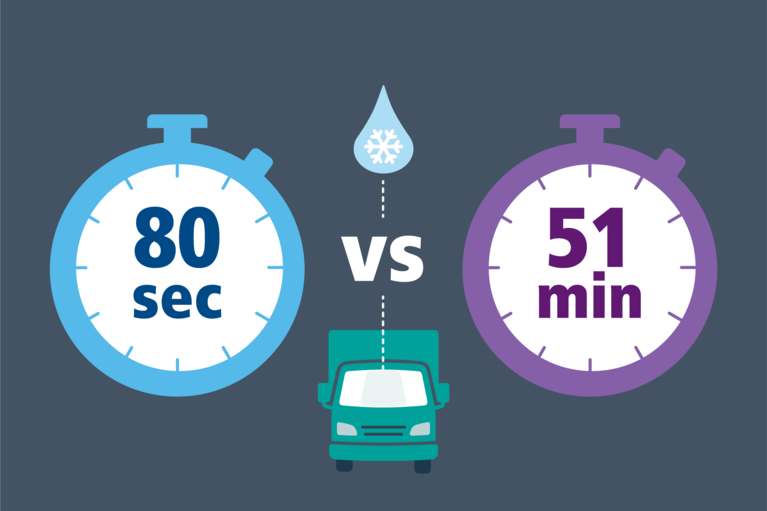
Betterfrost 使用 48V 模块进行脉冲传导玻璃加热,可在 80 秒内去除冰层,同时将启动除霜能量降低 95%