14th European Space Power Conference
Topics for this event included key aspects of electrical power for space applications, including power management, solar generators and energy storage


Presented by Siyu Chai, Product Manager Global AI/Computing Market, Vicor
Leveraging a Factorized Power Architecture (FPA) and current multiplication, Vicor provides solutions for lateral power delivery, vertical power delivery and a new solution, lateral-vertical power delivery. Siyu addressed the problem of impedances and their effects on PDN losses in relation to the processor core voltages. Advances in power module packaging, next generation current multiplication and current density was also be addressed. These technologies enable wafer scale and clustered computing AI systems with current requirements in the tens of thousands of amps and will unleash xPU performance. The presentation deck is available to download.
Originally presented at OCP China Day 2022 on August 22, 2022
14th European Space Power Conference
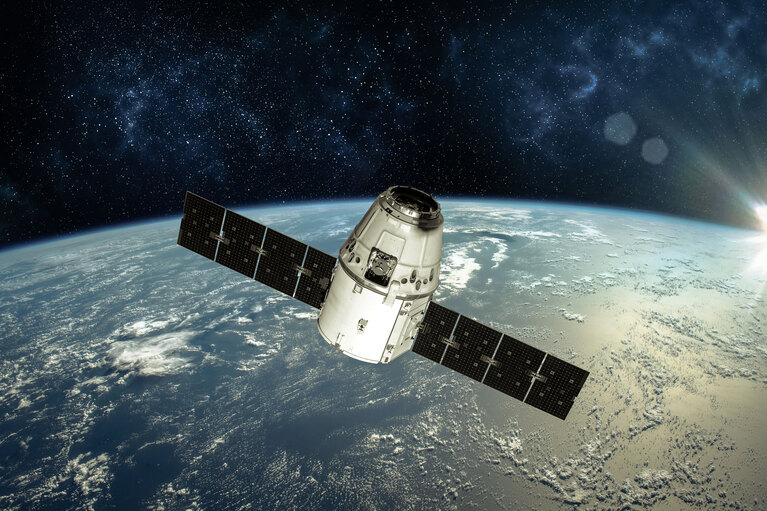
Topics for this event included key aspects of electrical power for space applications, including power management, solar generators and energy storage
Why power architectures constrain New Space AI missions
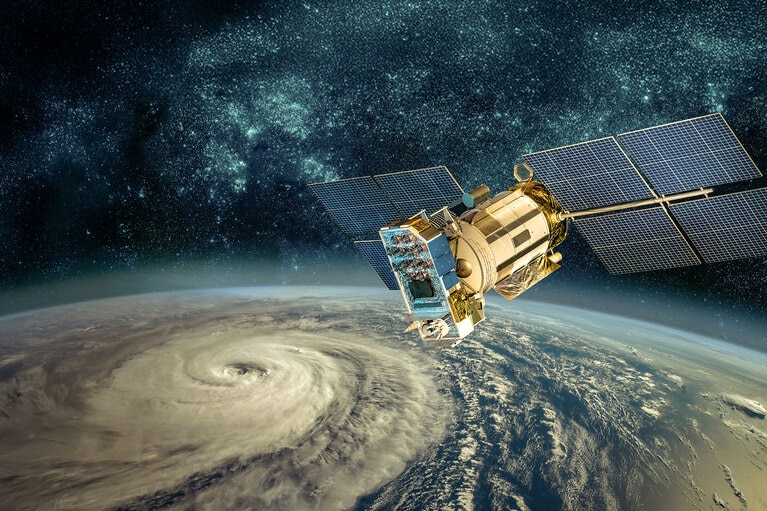
Satellite AI outpaces legacy power systems. Modern compute needs sub-volt, high-amp power that traditional architectures simply can't deliver until now
AI for space applications
AI has the potential to change our world with applications delivering real impact. Learn how Spacechips is powering the next generation of AI in space
Spacechipsの大容量トランスポンダが実現する軌道上のAI搭載通信
高度な演算能力を搭載した小型人工衛星への需要が高まっています。低ノイズでAI対応の電源が、先端アプリケーションにどのように採用されているのか解説します。