
第 14 屆歐洲太空動力會議
本次活動的主題將涵蓋太空應用電力的關鍵方面,包括電源管理、太陽能發電機以及儲能


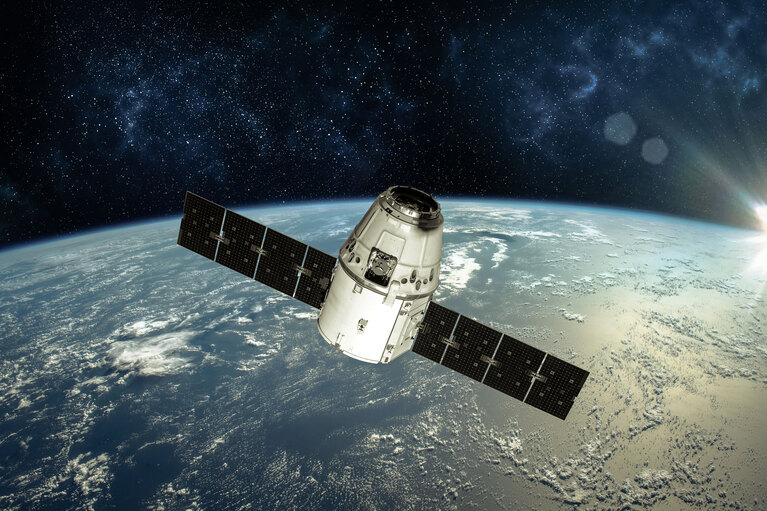
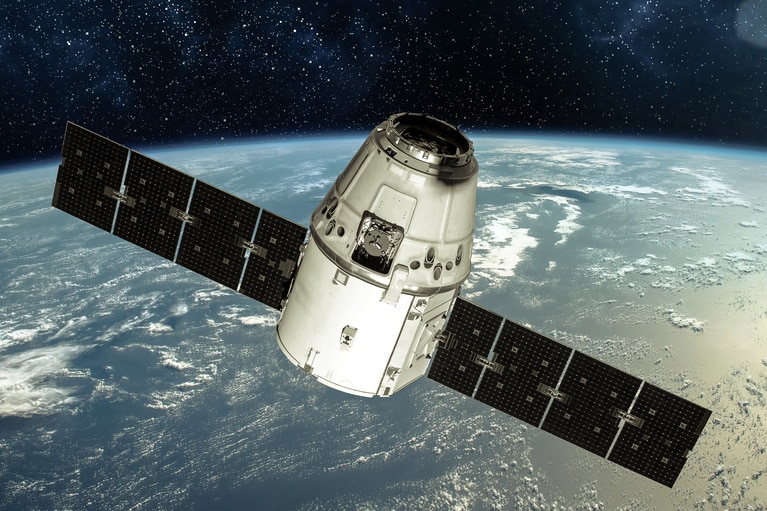
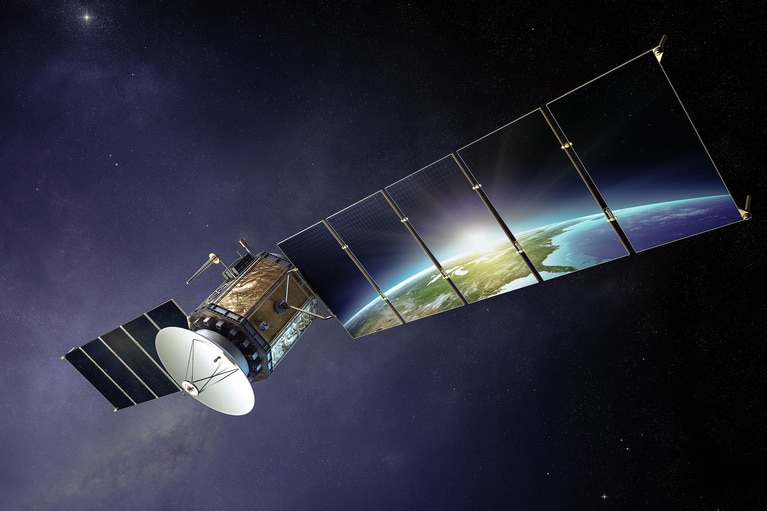
在新太空市場運營的衛星製造廠商需要拿出解決方案,支持物聯網頻寬在未來 10 年內 20 倍的增長。
根據 Vicor 公司航空航太和國防部副總裁 Rob Russell 的一份新報告,在新太空市場領域運營的衛星製造商將需要拿出解決方案,支持物聯網頻寬在未來 10 年內的 20 倍增長。
該報告闡述了設計、開發和發射衛星以滿足這一巨大需求的固有挑戰:一個主要的障礙? 縮小衛星尺寸同時提高輸送量,這些要求似乎是相互衝突的。
為了實現輸送量需求的這種所需的飛躍,衛星電源設計者必須向負載提供比傳統系統多 20 至 30 倍的電流,同時减少供電網路的尺寸、重量和成本。 報告指出,這些衝突的要求在可預見的未來只會繼續陞級。
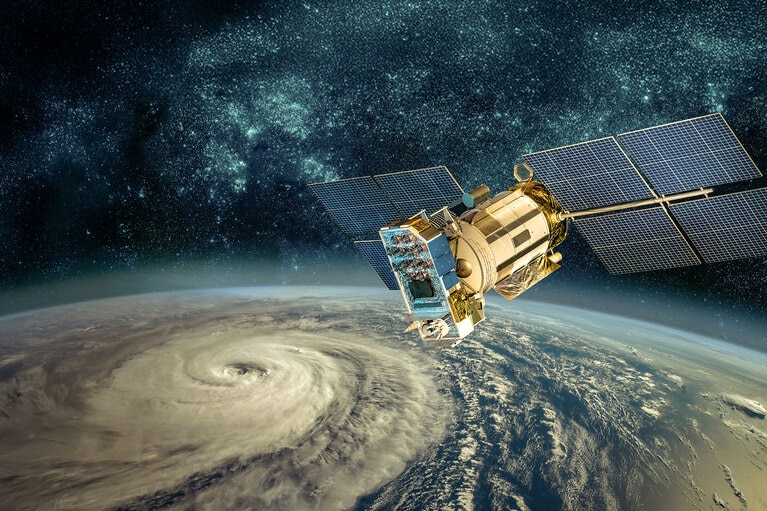
幫助解決這個問題:為人工智慧(AI)輔助的新太空近地軌道(LEO)和中地軌道(MEO)衛星大幅提升功率密度,其形式是提供具有大電流及耐輻射的電源模組。
本文最初由 Military Embedded Systems 發表。
第 14 屆歐洲太空動力會議
本次活動的主題將涵蓋太空應用電力的關鍵方面,包括電源管理、太陽能發電機以及儲能
電源架構為何制約新太空 AI 任務
衛星 AI 的發展速度已經超越了傳統電源系統。 現代計算需要超低電壓、大電流的供電能力,而傳統電源架構直到現在都無法滿足這一需求
用於太空應用的人工智慧(AI)
人工智慧(AI)正以真正產生現實影響的應用程序重塑我們的世界。 瞭解 Spacechips 如何為新一代太空人工智慧提供動力
Spacechips 大電流處理器為在軌 AI 驅動通訊供電
小型衛星亟需具備精密運算能力。 瞭解更多低雜訊、AI 賦能的電源如何推動創新應用