
第 14 届欧洲太空动力会议
本次活动的主题将涵盖太空应用电力的关键方面,包括电源管理、太阳能发电机以及储能


在新太空市场运营的卫星制造厂商需要拿出解决方案,支持互联网带宽在未来 10 年内 20 倍的增长。
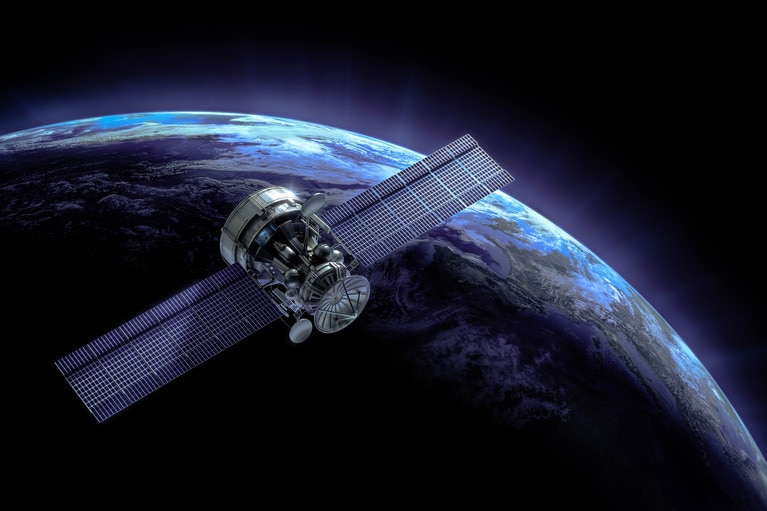
根据 Vicor 公司航空航天和国防部副总裁 Rob Russell 的一份新报告,在新太空市场领域运营的卫星制造商将需要拿出解决方案,支持互联网带宽在未来 10 年内的 20 倍增长。
该报告阐述了设计、开发和发射卫星以满足这一巨大需求的固有挑战:一个主要的障碍?缩小卫星尺寸同时提高吞吐量,这些要求似乎是相互矛盾的。
为了实现吞吐量需求的这种所需的飞跃,卫星电源设计者必须向负载提供比传统系统多 20 至 30 倍的电流,同时减少供电网络的尺寸、重量和成本。报告指出,这些矛盾的要求在可预见的未来只会继续升级。
帮助解决这个问题:为人工智能(AI)辅助的新太空近地轨道(LEO)和中地轨道(MEO)卫星大幅提升功率密度,其形式是提供具有大电流及耐辐射的电源模块。
本文最初由 Military Embedded Systems 发表。
第 14 届欧洲太空动力会议
本次活动的主题将涵盖太空应用电力的关键方面,包括电源管理、太阳能发电机以及储能
电源架构为何制约新太空 AI 任务
卫星 AI 的发展速度已经超越了传统电源系统。现代计算需要超低电压、大电流的供电能力,而传统电源架构直到现在都无法满足这一需求
用于太空应用的人工智能(AI)
人工智能(AI)正以真正产生现实影响的应用程序重塑我们的世界。了解 Spacechips 如何为新一代太空人工智能提供动力
Spacechips 大电流处理器为在轨 AI 驱动通信供电
小型卫星亟需具备精密计算能力。了解更多低噪声、AI 赋能的电源如何推动创新应用