Arrow: Driving the future of industry in robotics, industrial IoT, and intelligent automation seminar 2026
Industry-leading power density and innovative architectures of Vicor power modules for robotics, industrial IoT, and intelligent automation


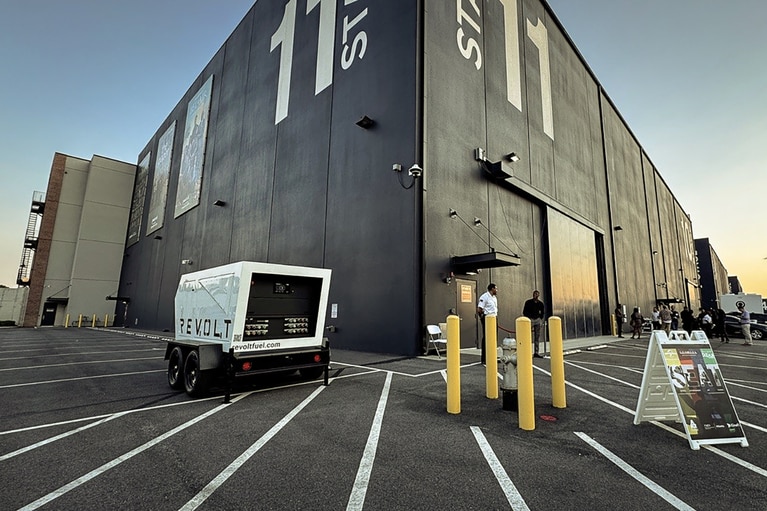
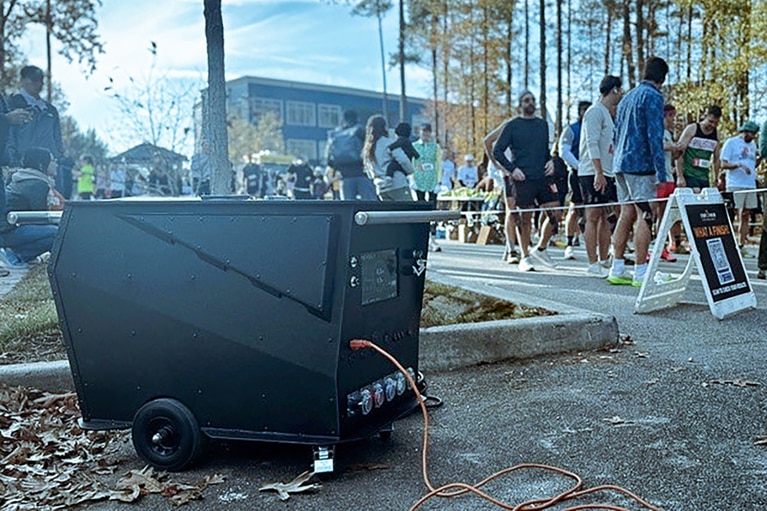
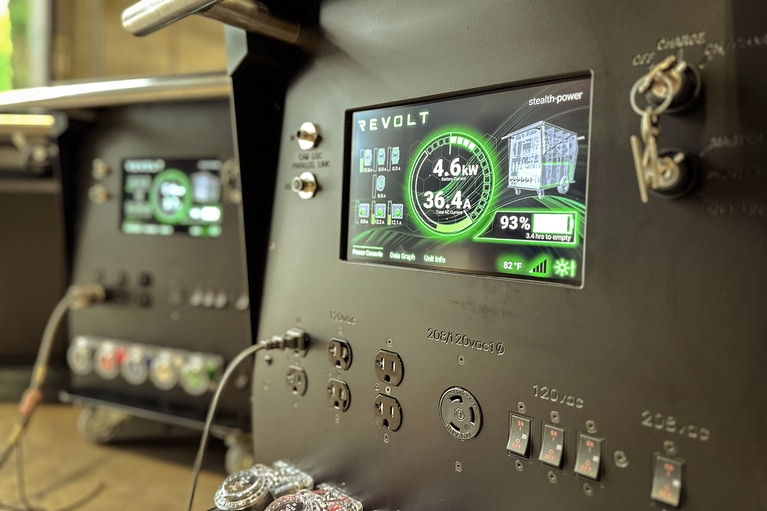
ReVolt 用清洁的移动电池系统取代了电影拍摄现场噪声巨大的柴油发电机。该系统依托 Vicor 电源模块,高效完成高压电源的稳压转换及低压控制逻辑的供电。该可扩展架构目前正拓展至建筑业与现场活动领域。
电影行业经常需要在无法接入市电的区域进行拍摄。在偏远地区,摄影机及其他电气设备的供电选择极为有限,柴油发电机因而成为普遍之选。然而,柴油发电机存在诸多弊端:除环境污染与噪声问题外,其所产生的电力品质欠佳(即“脏电”),在供给灯光等敏感设备使用前,必须经过过滤处理。
ReVolt 首席执行官 JD Schwalm 彼时从事电影特效工作,在片场工坊搭建风力机械。他意识到,或许有比燃烧柴油更优的持续供电方案。随后,他研发出类似电动汽车所搭载的逆变器与电池系统。试验取得了成功,甚至产生了富余电力,可供片场其他设备使用。这一成果令 Schwalm 豁然开朗——若进一步发展这项技术,即可为整个片场供电。
Schwalm 解释道:“这一构想催生了 ReVolt。我们目前拥有三款设计:WeVolt(容量为 17.5kWh,输出功率为 14kW)、Mule(容量为 210kWh,输出功率为 120kW)以及 Van(容量为 400kWh,输出功率为 350kW)。我们构建了一个生态系统,将一台设备投放至电影拍摄现场,就能持续输出电力。所有设备都接入 Mule,当其电量不足时,Van 即如同燃油补给车般驶来,连接到 Mule,在后者持续输出电力的同时为其电池充电。整个过程无需切换开关,也不会产生过载问题。”
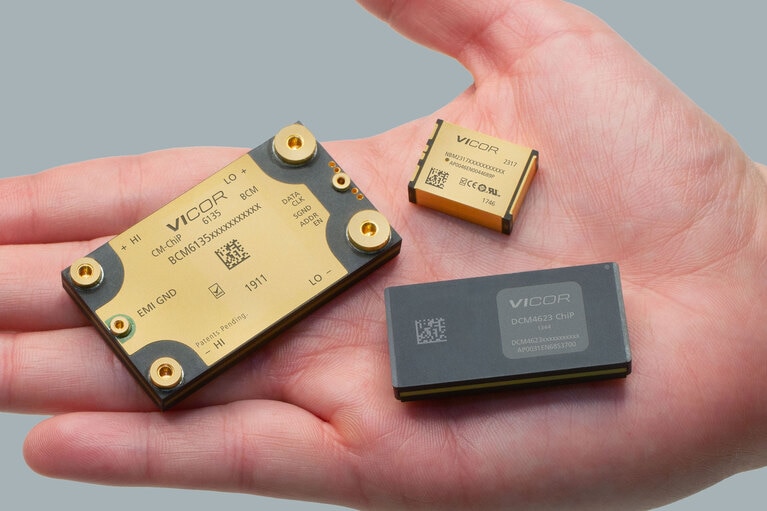
为开发上述车辆,Schwalm 向 Vicor 寻求帮助。两家公司此前已建立了合作关系——彼时 Schwalm 需要强大、稳定且清洁的电源来驱动运动控制计算机。他补充道:“ReVolt 项目启动之初,我们再次联系了 Vicor,并切实认识到其将高压高效转换为低压的能力非常出色。我们在 Mule 和 Van 中均搭载了 EVCC,使其能够接入公共电网充电。Van 内部配备了 EVCC,可将自身转变为超级充电桩。Mule 的架构与之相似,配备容量为 310Ah、标称电压约为 730V 的电池。在输出侧,我们配置了 DC/AC 逆变器以产生 AC 信号。架构的另一关键环节,是将 730V 降至 24V,以运行控制逻辑。此转换环节均采用 Vicor 产品:BCM4414 先将电压降至 48V,再由 DCM3414 将输出进一步降至 24V。目前,我们正考虑改用另一款 Vicor 器件,以实现单级转换。”
ReVolt 从电影业起步,如今发现该技术在其它行业同样具有广泛的应用前景,并已开始向建筑业及现场活动领域拓展。
本文最初由 Power Systems Design 发布。
Arrow: Driving the future of industry in robotics, industrial IoT, and intelligent automation seminar 2026
Industry-leading power density and innovative architectures of Vicor power modules for robotics, industrial IoT, and intelligent automation
Microgate 的超凡使命需要精确的电力
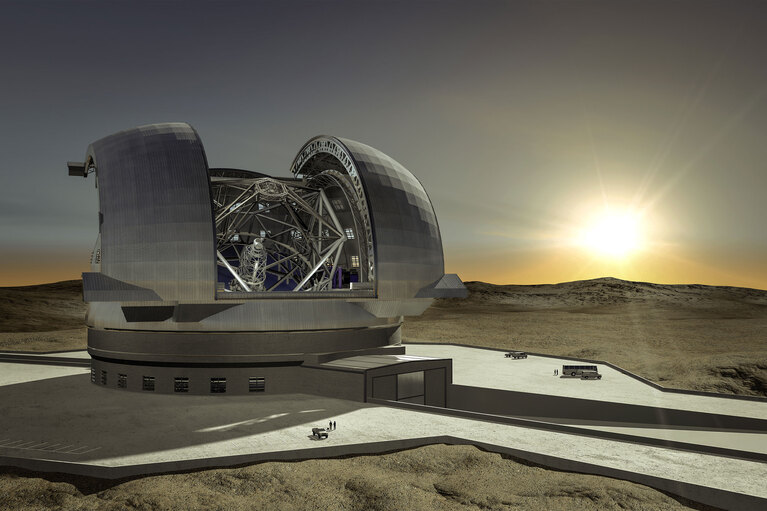
Microgate 与 Vicor 为全世界最大的望远镜提供电力!Vicor 模块为 5400 个驱动器输送 10kW 电力,助力 Microgate 消除太空成像的畸变
ReVolt 正在攻克电影行业最不愿公开的污染问题——二氧化碳排放
ReVolt Fuel 解决了电影行业每年排放 70 万吨二氧化碳的难题,在 Vicor 电源模块的帮助下提供清洁的现场电力
高压至 48V 电源转换的 11 种优化之道
将高压转换至 48V DC 可大幅降低布线成本和重量,显著提升数据中心和工业系统的能源效率